
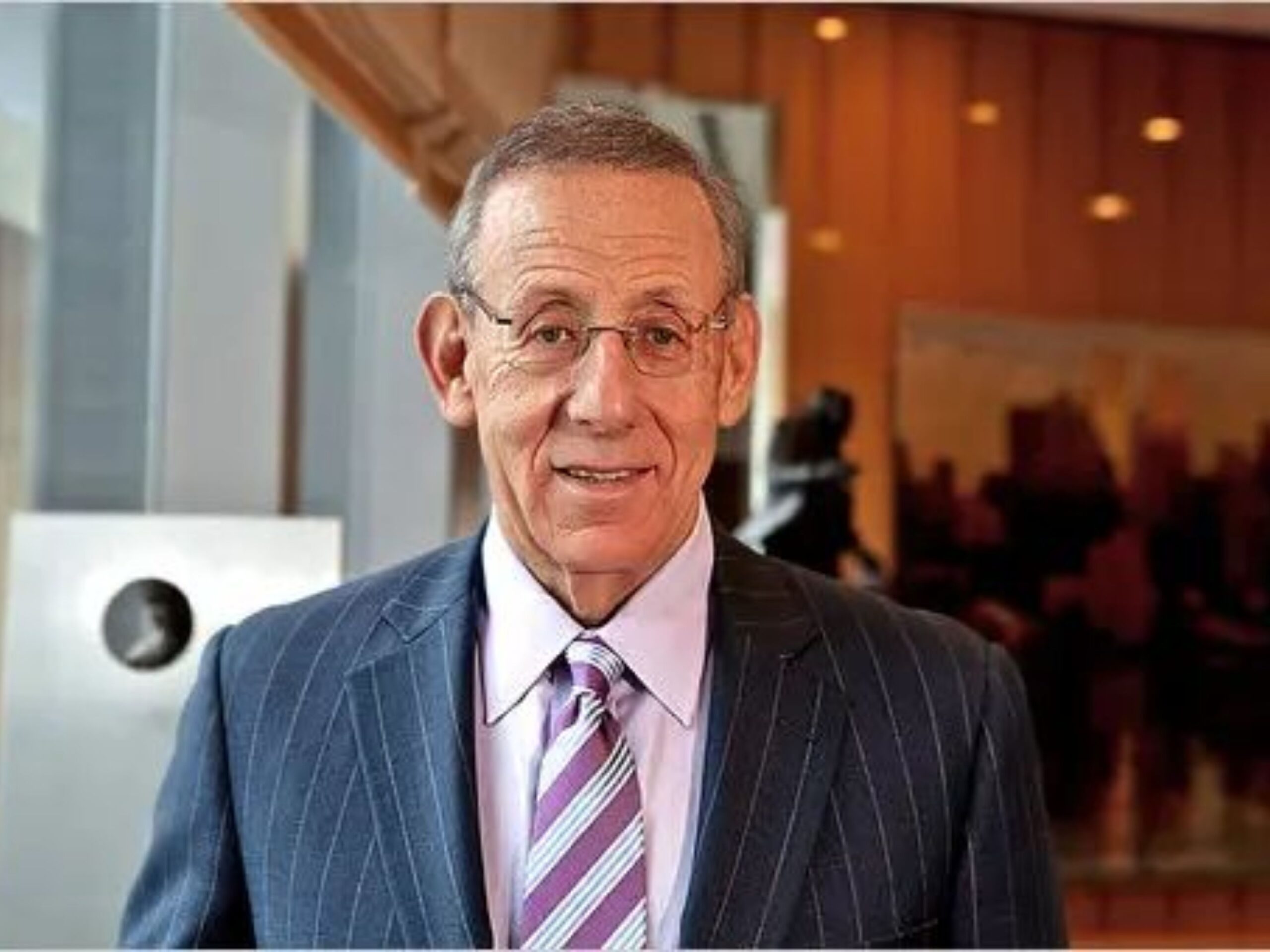
Most people know Stephen M. Ross is worth almost $20 billion. Very few understand how he built his fortune.
Ross didn’t win by being the smartest guy in the room. He won by obsessing over control, patience, and optionality. Here’s what most profiles won’t tell you.
Table of Contents
Engineering Leverage
Ross focused on situations where time worked in his favor. He didn’t chase deals. He engineered leverage. Long horizons beat fast wins.
Building Ecosystems
Hudson Yards wasn’t real estate. It was retail + office + brand + city politics + timing. Most people buy buildings. Ross built gravity. He built ecosystems, not assets.
Scale Over Perfection
Ross understood that scale forgives mistakes. Small bets require perfection. Big platforms allow iteration.
Offense During Chaos
He played offense during chaos. Economic uncertainty wasn’t risk. It was a discount.
The Real Lesson
The lesson I take from his story: wealth at that level isn’t about hustle. It’s about structure.
-
Structure of deals
-
Structure of incentives
-
Structure of patience
Ross founded Related Companies, a global real estate firm, owns the Miami Dolphins, Hard Rock Stadium, is the majority shareholder in Equinox and has donated hundreds of millions of dollars.
Final Thoughts
Early in my career “structure” would have sounded boring. It feels like in reality to get to his level, it’s everything.
It’s clear that focusing on the structure of deals and incentives, as well as maintaining patience, are crucial components of his success. You might also find insights in the story of Ben Bergman.
Consider these lessons as you navigate your own entrepreneurial journey.